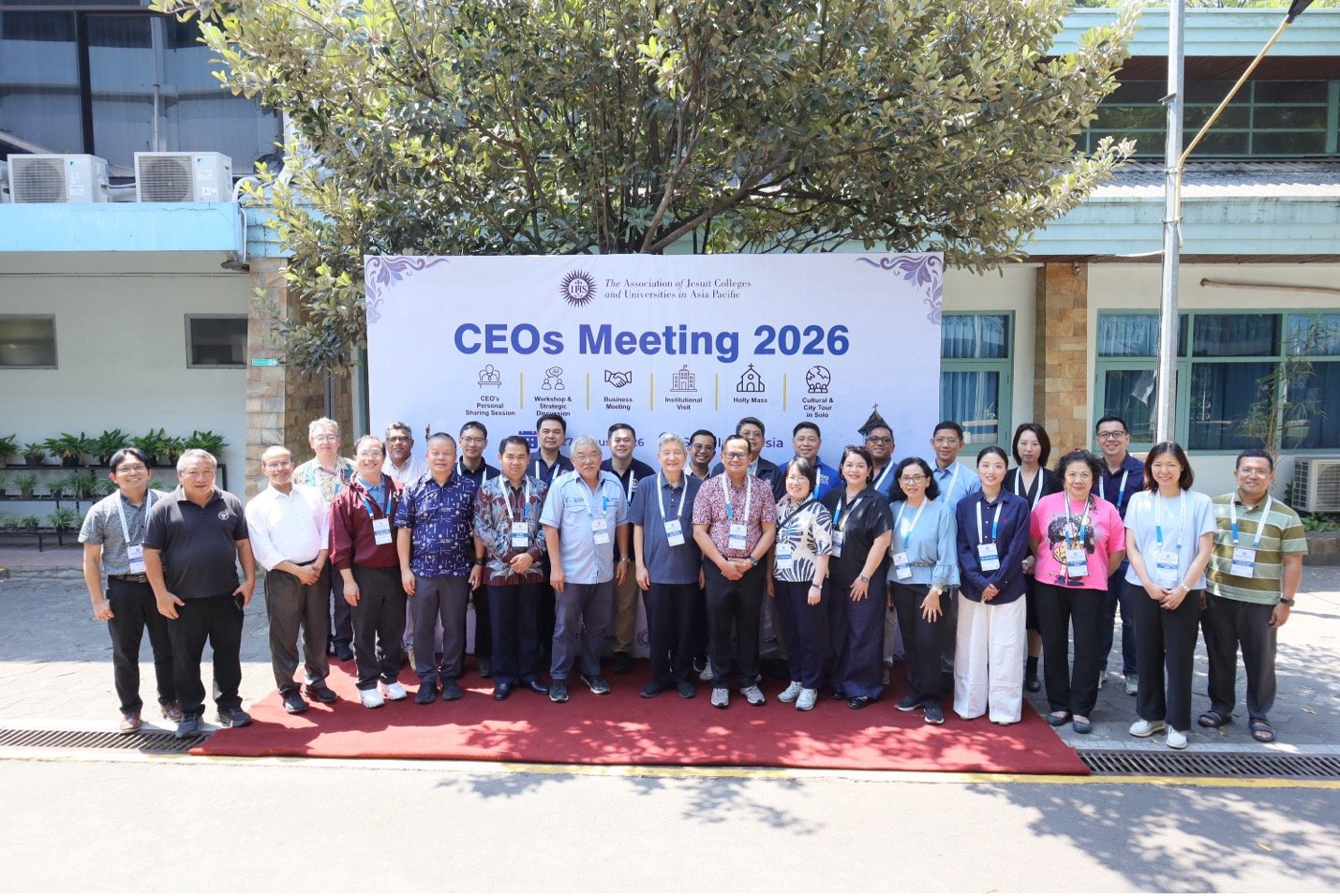
The Association of Jesuit Colleges and Universities in Asia Pacific (AJCU-AP) convened from 23 – 26 August 2026 in the Solo (Surakarta), Indonesia, for their annual meeting of Chief Executive Officers (CEOs). Upon the generous invitation of Politeknik ATMI Surakarta, 30 participants composed of CEOs, international networking officers (INOs), and other senior leaders came together to represent 18 member institutions from 9 countries, marking yet another milestone in the continued growth of AJCU-AP as the largest to date and most well-attended meeting of the Association.
As has become customary in his welcome remarks, Fr. Roberto C. Yap SJ, President of Ateneo de Manila and also President of the AJCU-AP, highlighted the multi-dimensional diversity of the AJCU-AP as a community, with its members belonging to 3 different organization types and speaking at least 7 national languages from across the region. Despite – or perhaps because of – the Association’s great diversity, Fr. Yap happily noted the Association’s strong bond and sense of community, as embodied by the various collaborations of the AJCU-AP members.
The first day of the meeting was dedicated to building participants’ capacities to productively utilize and ethically engage artificial intelligence (AI) in the context of higher education. Fr. Fernando Clemente Ponce Léon SJ, Assistant to the Secretary for Higher Education of the Jesuit Curia, gave an online keynote address all the way from Quito, Ecuador.
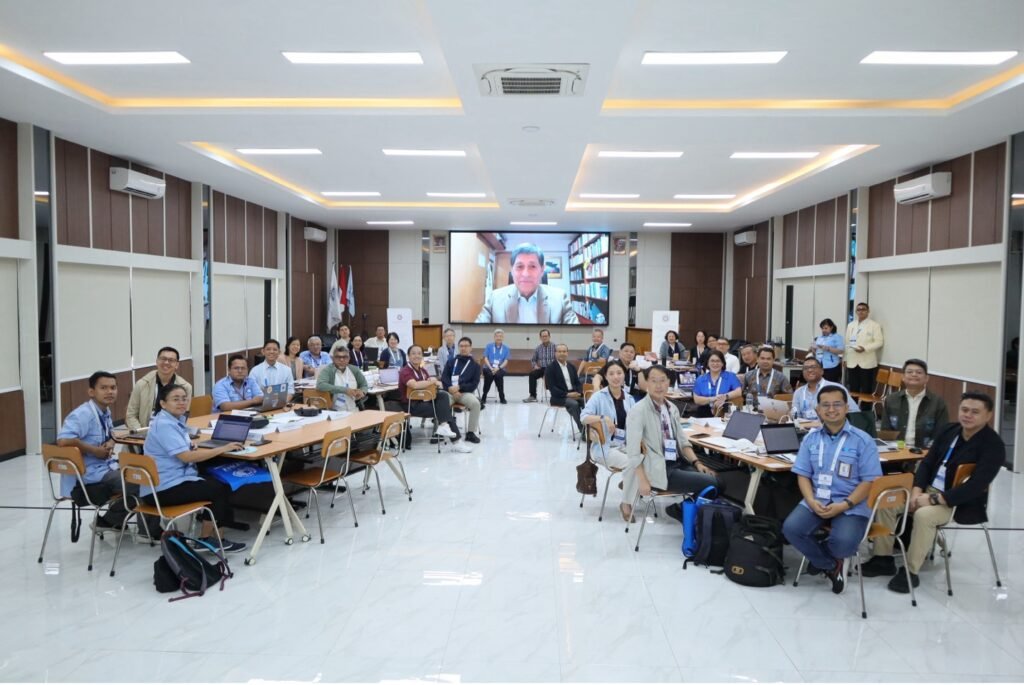
Titled “Leading with Magnifica Humanitas,” Fr. Ponce’s keynote proposed that AI is gradually colonizing almost every aspect of our personal and academic lives, including higher education, and that beyond viewing AI as a mere tool, Jesuit HE institutions might be better served to recognize it as a criterion for societal life, just as many other groups have done so, including the UNESCO. As Pope Leo XIV says in Magnifica Humanitas, AI is a highly sophisticated technological tool, yet it is by no means devoid of morality. According to Fr. Ponce, “AI is the most pervasive, elusive, and unsettling technology of the current digital transformation. It conditions our daily lives, the methods and contents of learning, the boundaries of research, and the operational functioning of universities. Most worryingly, it reinforces a world view in which human beings inadvertently become subordinate to their own creations.” In response therefore, Fr. Ponce reminded the meeting participants that the challenge to Jesuit HEIs is one that had been articulated way back in 2010 by the former Superior General of the Society of Jesus, Fr. Adolfo Nicolas SJ, during the founding meeting of the International Association of Jesuit Universities (IAJU) in Mexico City. During his speech, Fr. Nicolas said remarked to nearly 200 representatives of Jesuit universities, that globalization could offer an “extraordinary opportunity to have a hand in helping to shape the future, not only of our own institutions, but of the world.” The same attitude, Fr. Ponce said, ought to be how Jesuit HEIs view this new age of AI. After all, Fr. Ponce said, the real danger is not that machines will think like humans, but rather that humans begin thinking like machines.
In succeeding sessions, meeting participants went through an AI workshop prepared and facilitated by Mr. Galvin Radley L. Ngo, Director of the Institute for the Science & Art of Learning & Teaching (SALT Institute) and Faculty Member of the Gokongwei Brothers School of Education and Learning Design of the Ateneo de Manila University.
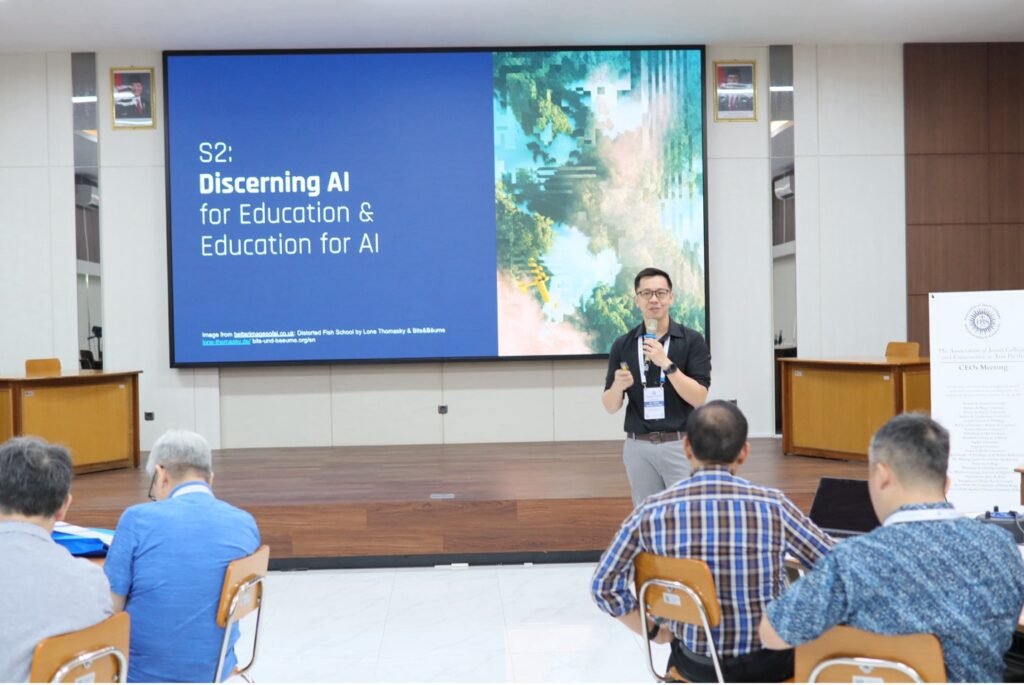
Across three sessions, Mr. Ngo provided opportunities for the participants to DISCERN, DIRECT, and DESIGN AI for education and education for AI. Participants were given opportunities to explore and engage various education-related AI platforms, and given pointers for efficient and effective AI engagement, while at the same time ensuring its ethical, intentional use. The workshop challenged the participants to discover their personal stance toward AI that ideally is neither AI-defensive nor AI-fanatic, but rather one that is AI-responsive, a stance that is able to recognize the value that AI can bring to our work and our lives while at the same time remembering and valuing what makes people human.
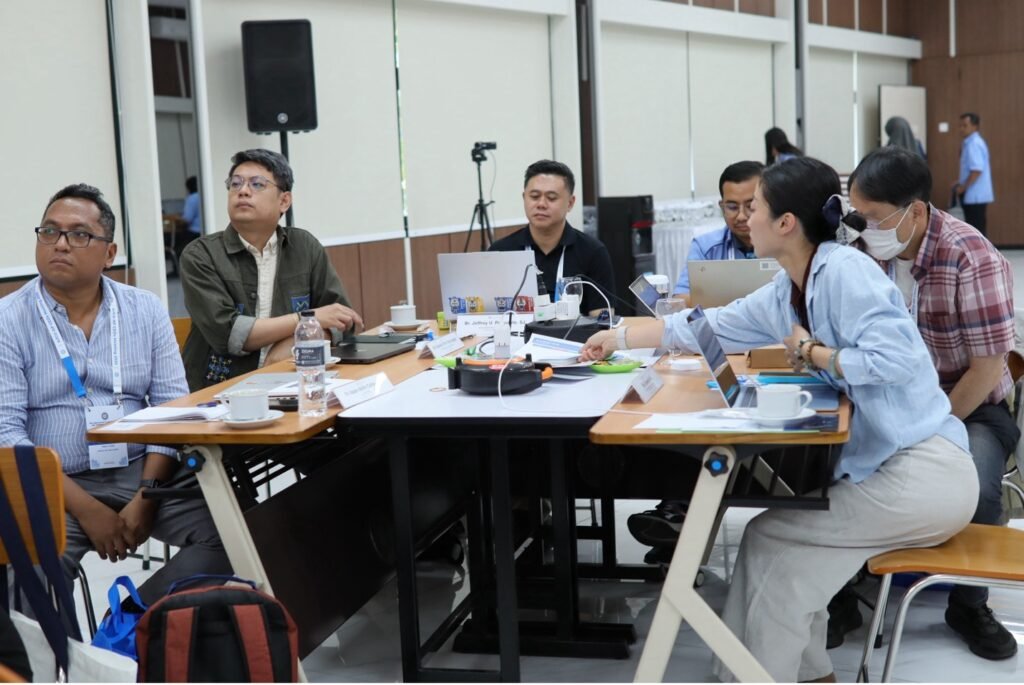
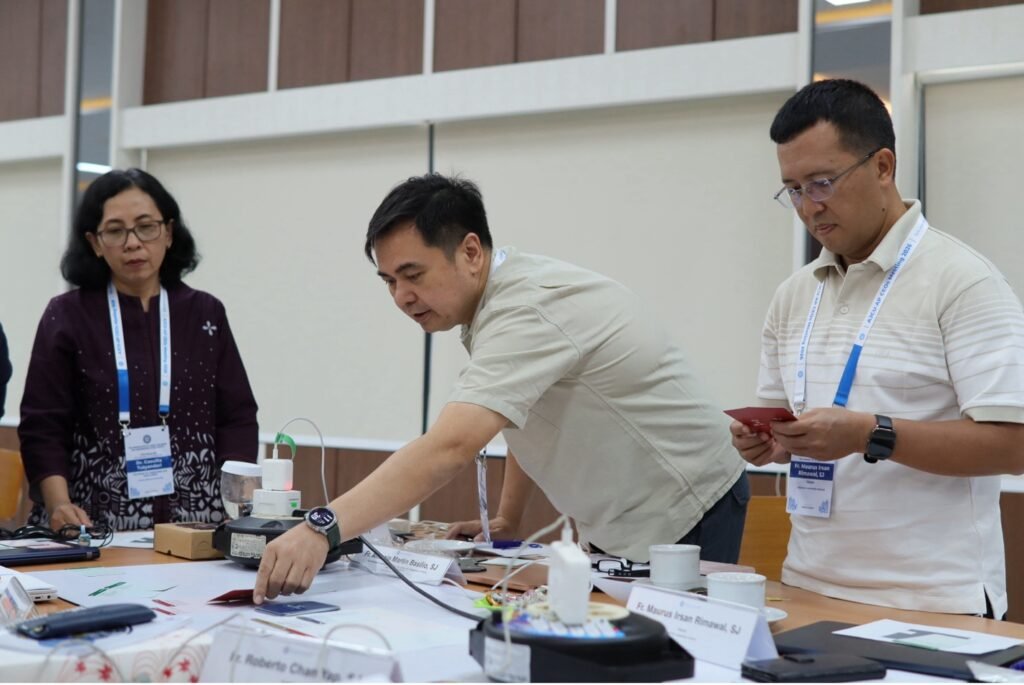
On the second day, the meeting turned toward the various activities and collaborations of the AJCU-AP member institutions. Fr. Seil Oh SJ, Vice President of Sogang University, shared updates and feedback about the 2026 Global Leadership Program (GLP) held in Korea in August 2026, while Fr. Plinio do Rosario Gusmao dos Reis Martins SJ, Vice Rector of the Instituto Sao Joao de Brito, shared learnings and feedback about the Service Learning Program (SLP) held in Timor Leste in the same month. Discussions also turned to the various Task Forces and special projects. Designated Task Force and Special Projects point persons joined the meeting online to provide key updates, and these included:
- For AJCU-AP Task Forces:
- Dr Gina Hechanova, Dean of the RGL School of Social Sciences, Ateneo de Manila University, Task Force on Mental Health and Spiritual Well-Being;
- Fr Bagus Laksana SJ, Rector of Sanata Dharma University, Task Force on Integral Ecology;
- Fr Seil Oh SJ, Vice President of Sogang University, Task Force on Artificial Intelligence;
- Atty. Romeo Cabarde Jr., Assistant to the President for Advocacy of Ateneo de Davao University, Task Force on Democracy;
- For Special Project of the AJCU-AP:
- Mr. Vinci Bueza, Executive Assistant to the President of Ateneo de Davao University, with updates on Collaborative Online International Learning Activities;
- Ms. Queenie He, Director of The Beijing Center for Chinese Studies, on various Partnerships with The Beijing Center;
- Dr. Assunta Cuyegkeng, Professor of Ateneo de Manila University, with updates on Ignatian Leadership in Higher Education Training Program for AJCU-AP; and
- Mr. Galvin Radley Ngo of Ateneo de Manila University, on Magis Microcredentials.
The CEOs also began preparations for upcoming events. GLP 2027 will be hosted by Ateneo de Manila University in the Philippines, with a proposed theme of Leadership Laboratory for Sustainable Futures. SLP 2027 will be hosted by The Beijing Center and will be held in its satellite office in Kunming, China. Most importantly, the meeting participants also discussed initial plans for the 2028 IAJU Conference which will be hosted mainly by Sophia University and held in the Asia-Pacific region, specifically in Tokyo, Japan.
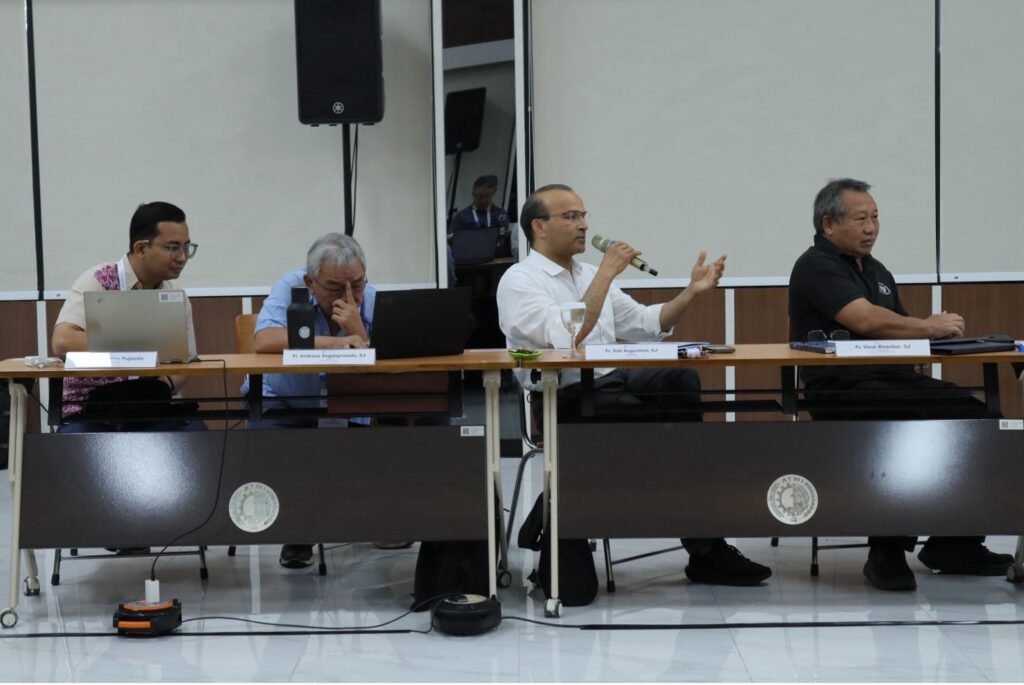
Elections for a new AJCU-AP Vice President were also conducted. Fr. Albertus Bagus Laksana SJ, Rector of Sanata Dharma Institute in Yogyakarta, Indonesia, and AJCU-AP Vice President, has been appointed Provincial Superior of the Jesuit Province of Indonesia. While he serves as both Rector and Provincial Superior concurrently, Fr. Laksana will be stepping down as SDU Rector in the coming months and thus decided to relinquish his role as AJCU-AP Vice President. The CEOs of AJCU-AP unanimously elected Professor Miki Sugimura, President of Sophia University, as new Association Vice President, beginning immediately.
The meeting days were also punctuated with opportunities to learn more about the host institution and the host country. Fr. Andreas Sugijopranoto SJ along with various members of the Politeknik ATMI community gave the participants a tour of their facilities. Politeknik ATMI seeks to educate and train young people into highly competent, professional engineers who possess strong moral integrity and social responsibility. Participants remarked that this goal is very evident and almost palpable in the physical setup of the school and its programs.
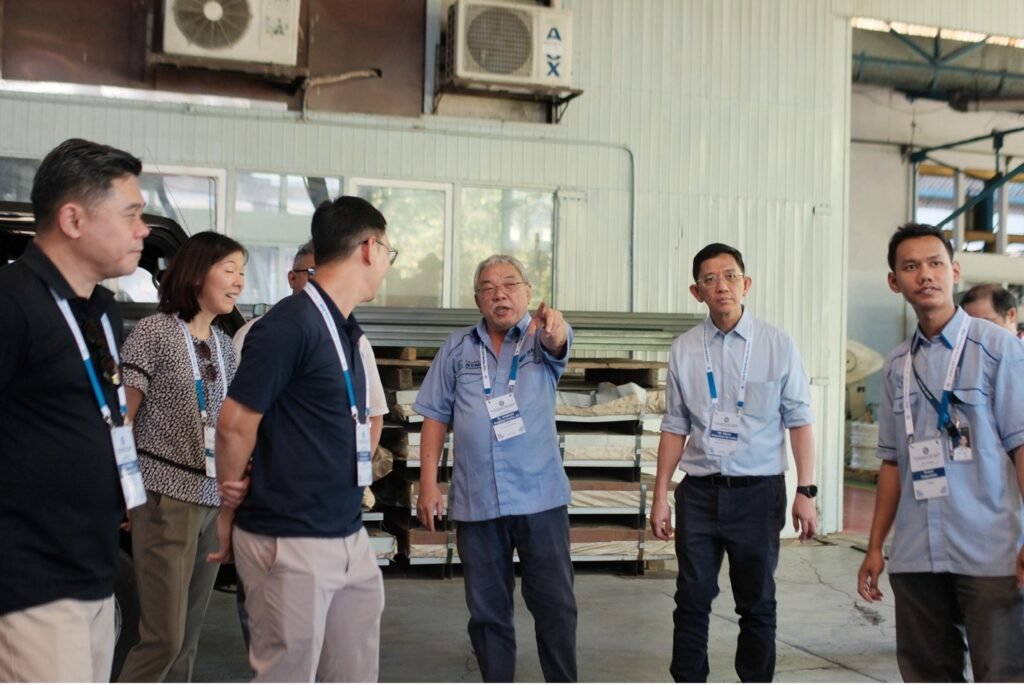
Additionally, Politeknik ATMI also arranged various opportunities for the participants to experience the culture, heritage, cuisine, and religious diversity of Indonesia and more specifically the Javanese heritage.
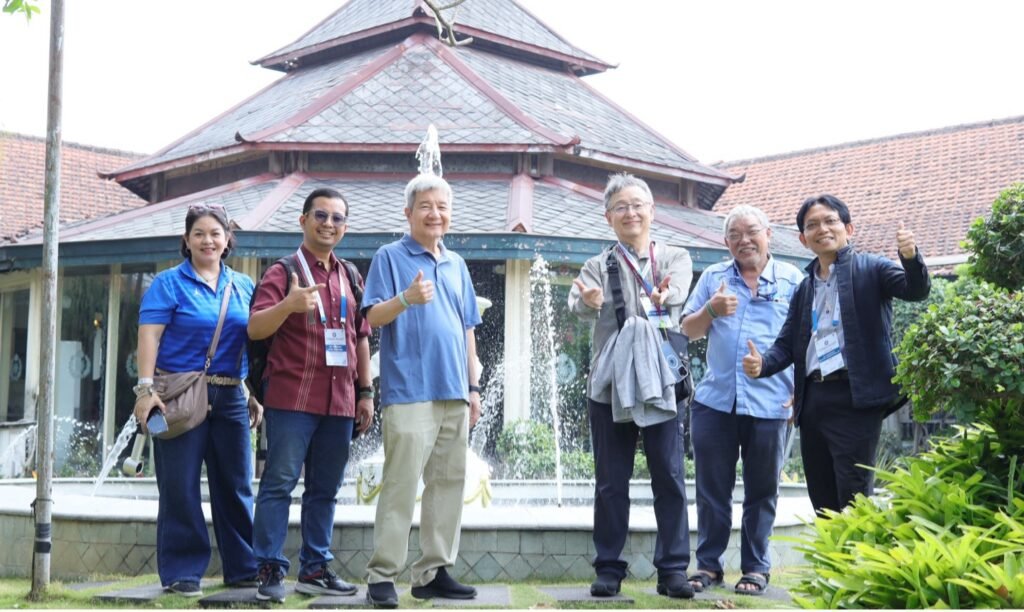
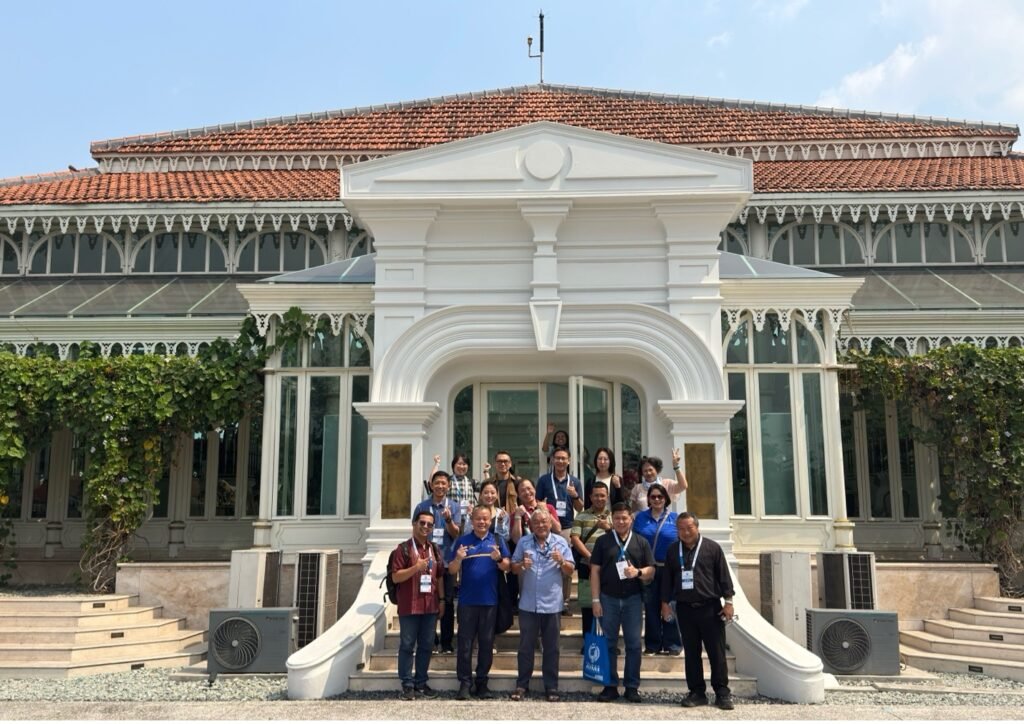
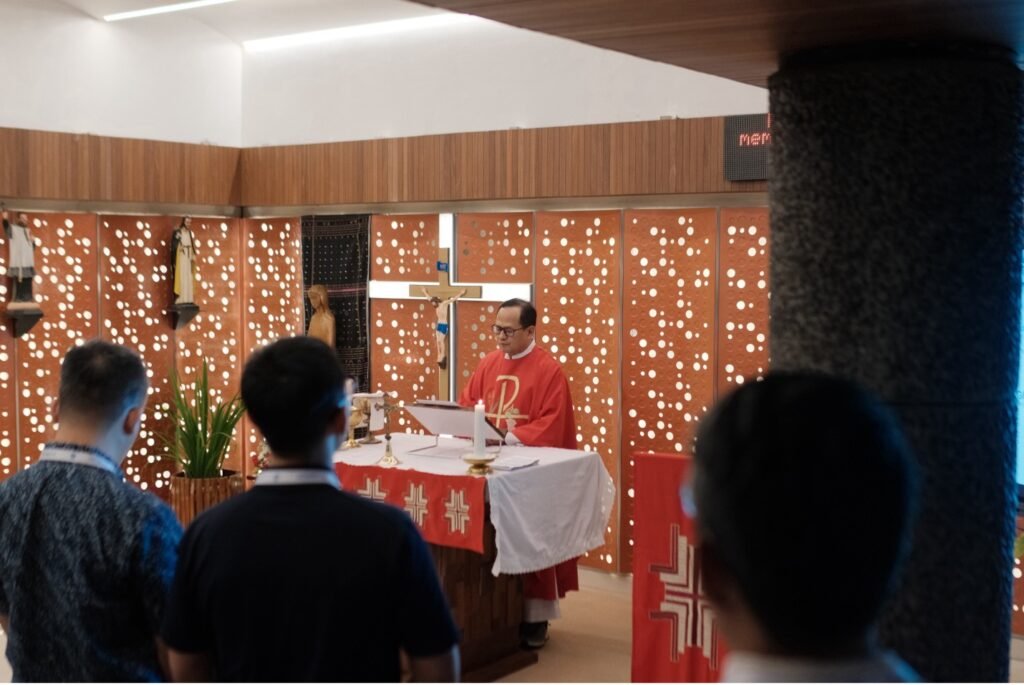
The participants were also able to visit and celebrate mass in various Catholic Churches in the Surakarta region, including the Jesuit-run Church of Saint Anthony Padua, the oldest Catholic church in Solo. Fr. Laksana SJ, Provincial Superior of the Indonesian Province, celebrated mass on Day 2 of the meeting, which also happened to be his birthda
The Association of Jesuit Colleges and Universities in Asia Pacific will next meet in November 2026, with the INOs coming together to reinforce and concretize the directions and plans set forth by the AJCU-AP CEOs. The meeting will be hosted by Sogang Univeristy and will be held in Seoul, Korea. The CEOs will meet again in August 2027, this time in Chiang Rai, Thailand, and will be hosted by Saengtham College – Xavier Campus.